The Good, the Bad, and the Reality of AI "Vibe Coding"
Vibe coding lets you describe the vibe of a feature and let AI handle the implementation. Is it the ultimate productivity unlock, or are we just speedrunning technical debt?
Thoughts on technology, design, and the future of digital products.

Vibe coding lets you describe the vibe of a feature and let AI handle the implementation. Is it the ultimate productivity unlock, or are we just speedrunning technical debt?
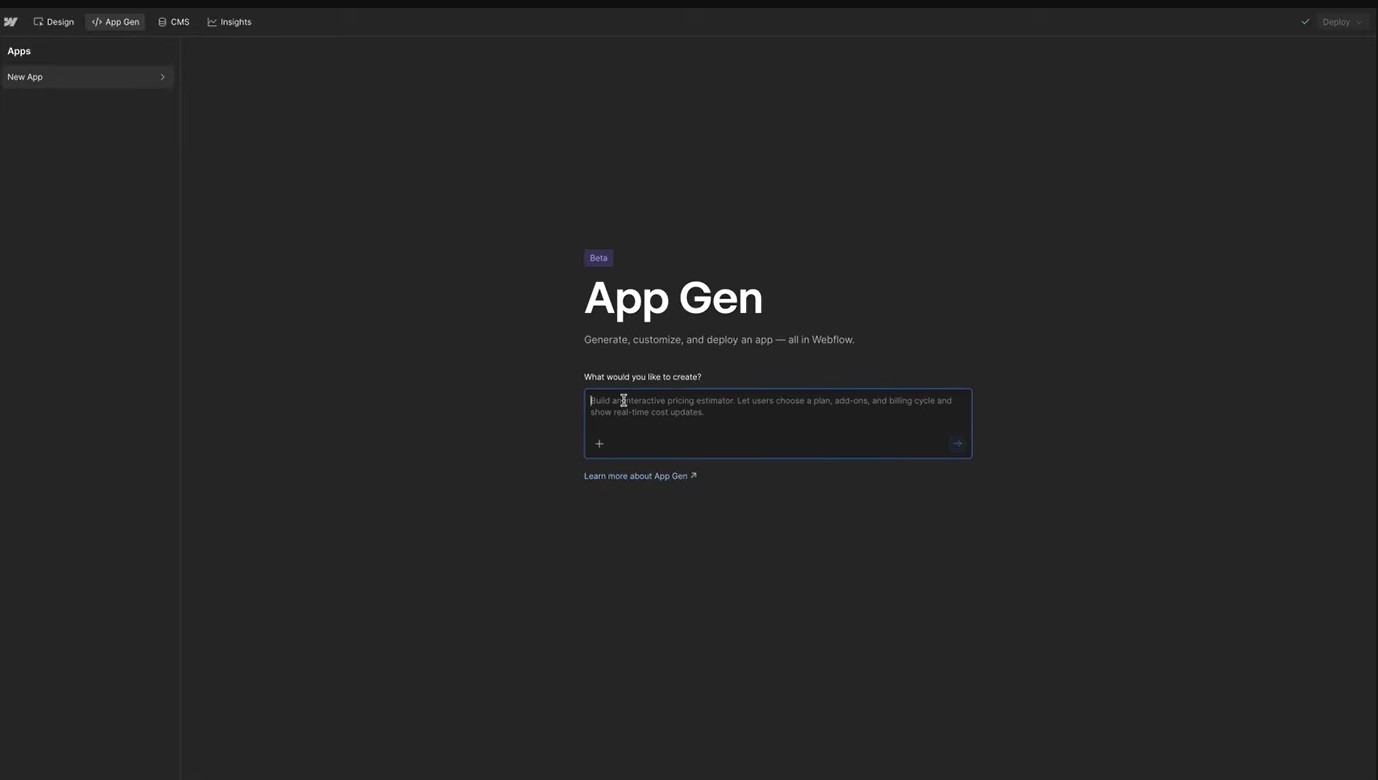
Webflow App Gen generates functional, React-based apps right inside the Designer from a prompt. Here's what it can build today, and what it still can't.

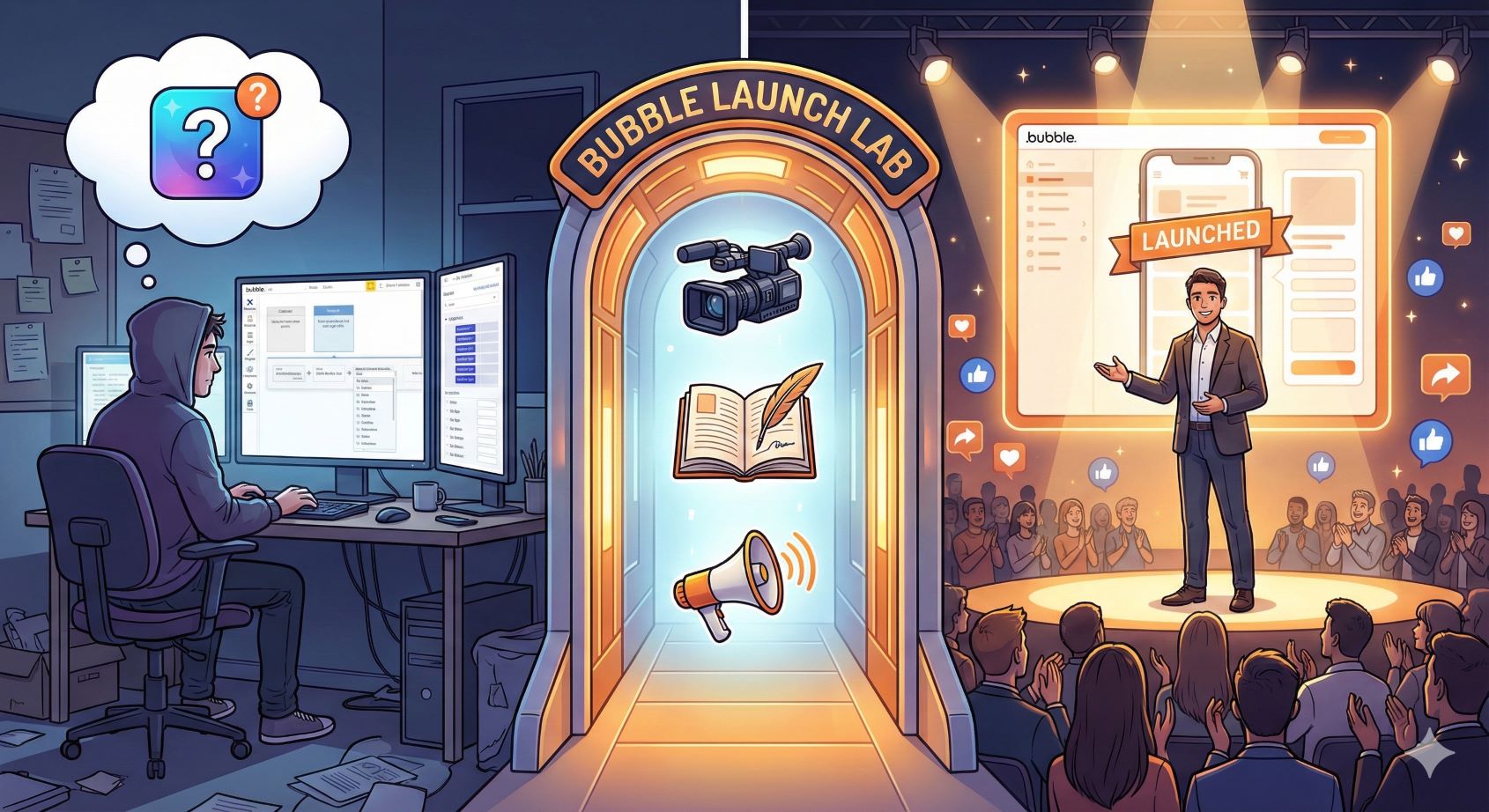
Bubble's new Launch Lab is an application-based accelerator focused on marketing and storytelling for apps that are already built — not another tutorial.

Bubble is online-first by design, but you can still build offline-friendly experiences. Three approaches, from DIY local storage to a hybrid architecture.

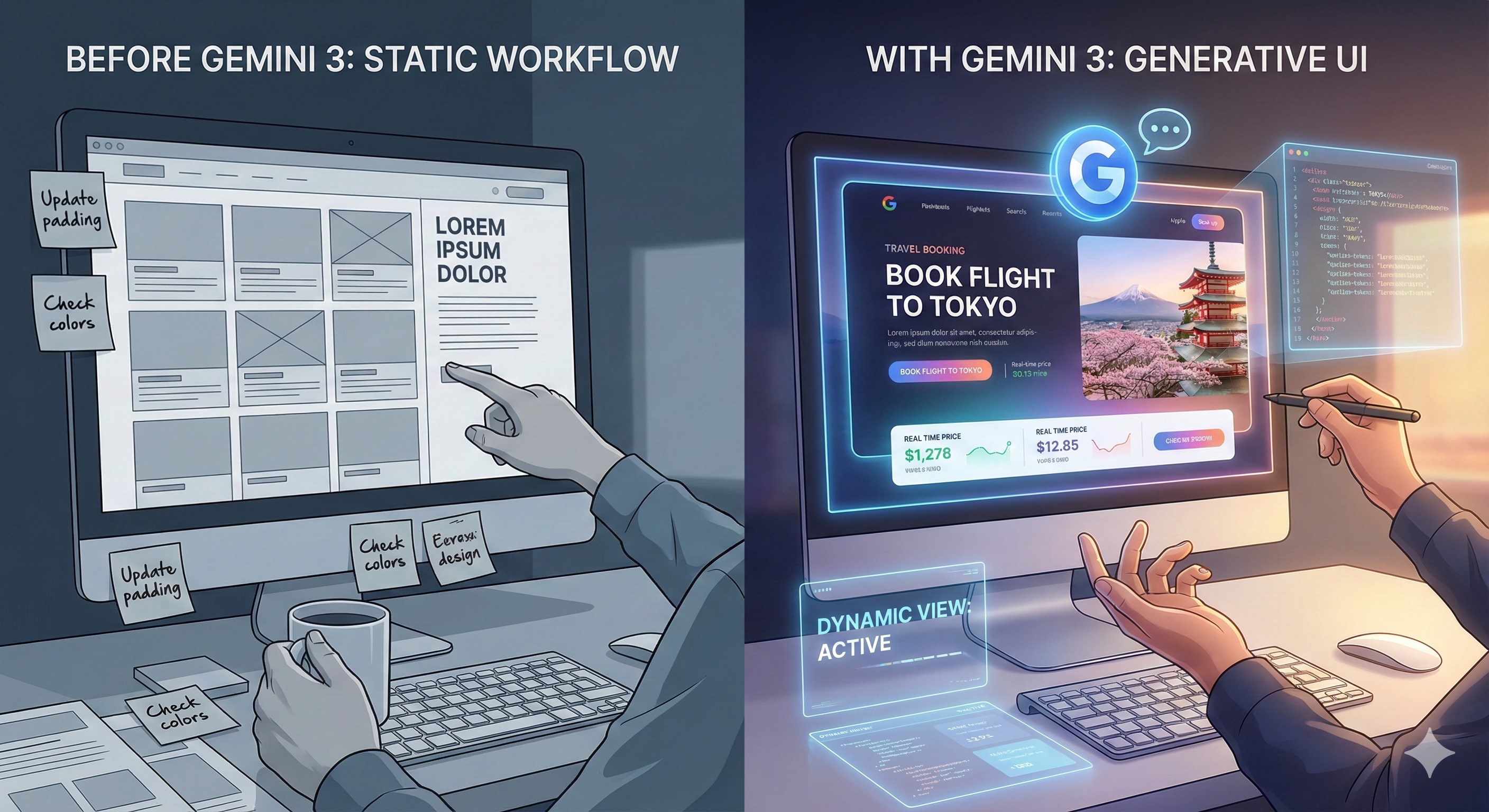
Gemini 3's Generative UI renders live, interactive components instead of static mockups — and it might be the end of Lorem Ipsum placeholder design.

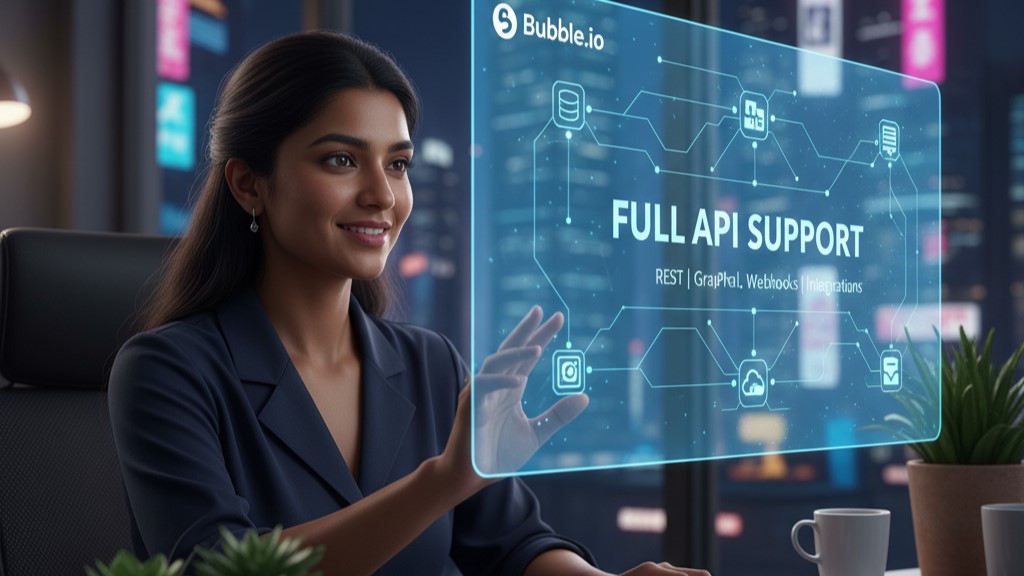
Bubble's API Connector lets you wire up REST APIs, OAuth, webhooks, and automation — all without writing a line of code.

AI can speed up how you build, maintain, and scale a Bubble app, from initial generation to performance optimization and privacy rules.

A quick guide to the core principles that keep a project on time, on budget, and on scope.

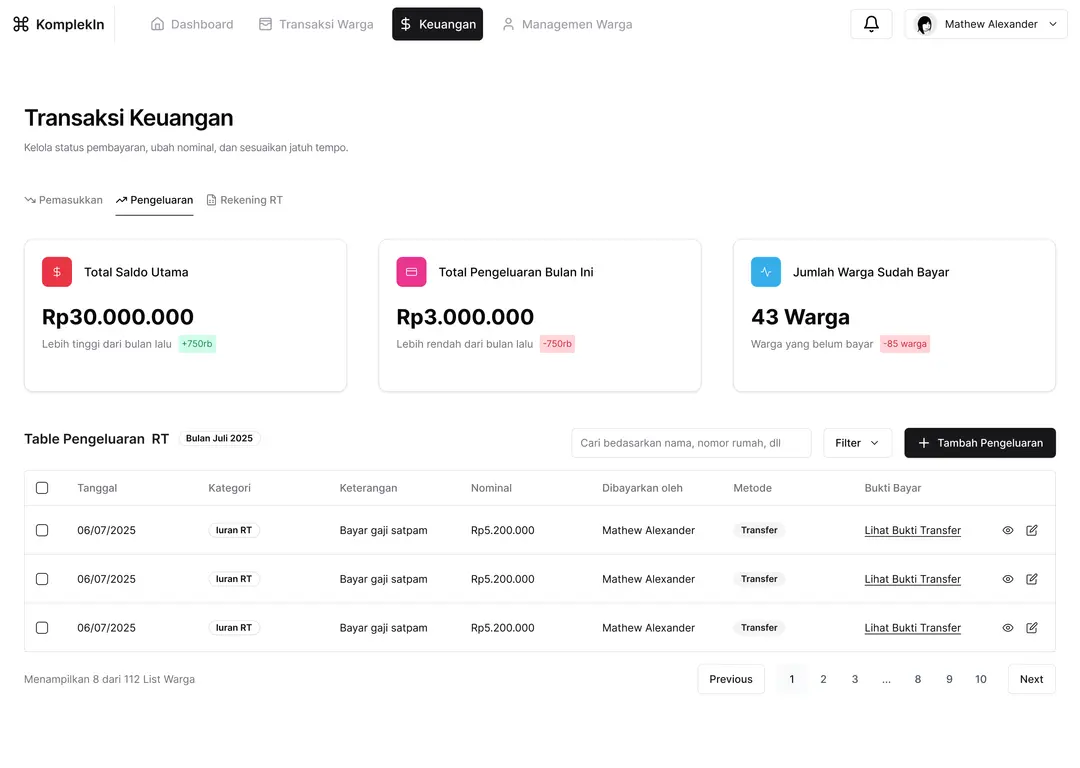
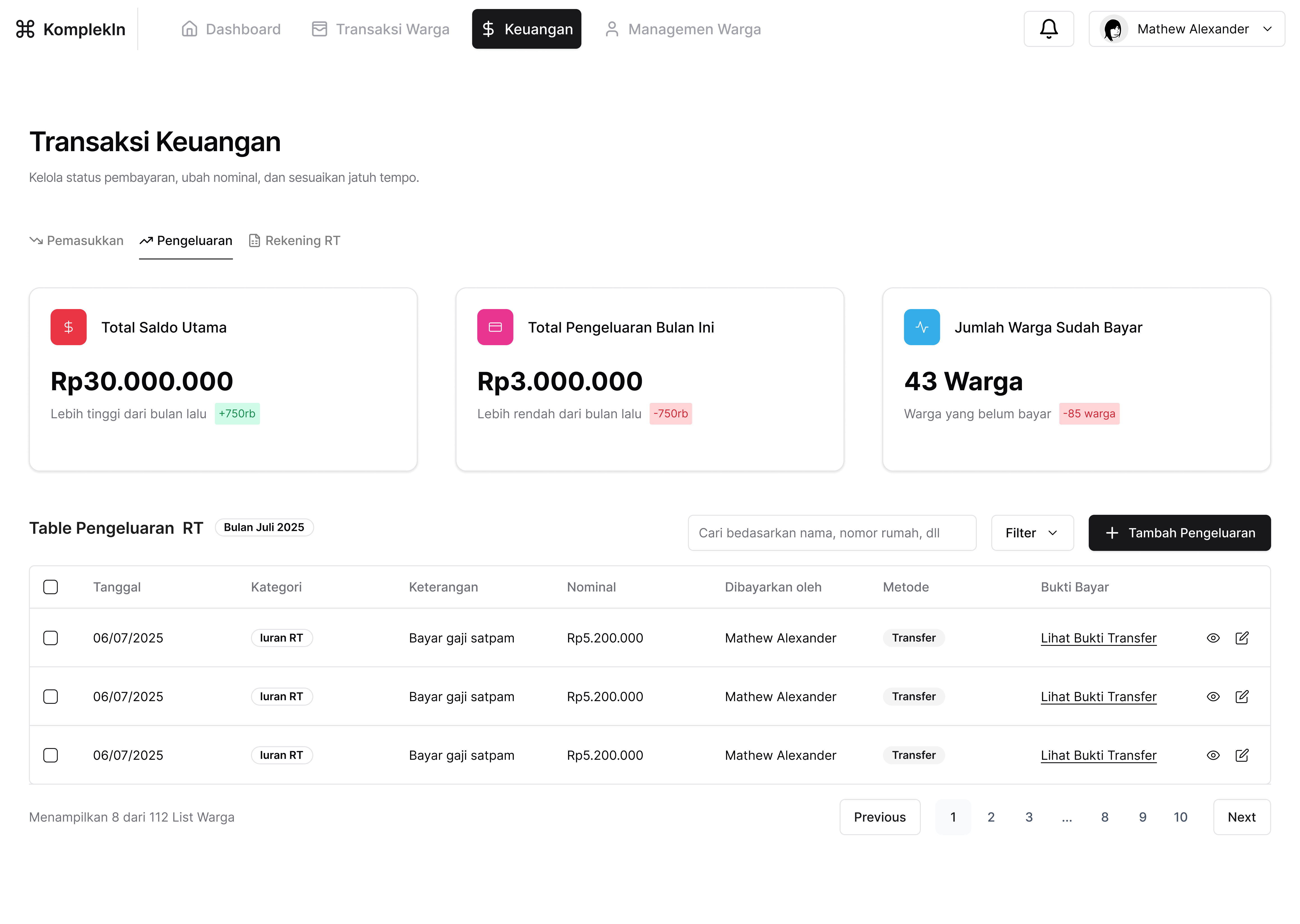
Komplek.in consolidates rent billing, digital payments, utility tracking, and resident communication into one platform for residential complexes.

Bubble's Mobile AI Generation turns a plain-language prompt into a mobile-ready UI, database schema, and workflows in seconds.

Bubble's native mobile support lets you build for iOS and Android from the same project that powers your web app — no separate codebase.

Bubble AI Agent (Beta) lets you build and modify your app with natural language commands, right inside the editor.

Vibe coding, popularized by Andrej Karpathy, is about giving in to the vibes and letting AI handle implementation details.

Bolt.new v2 adds coding agents and built-in backend infrastructure, aiming to cut the back-and-forth of fixing AI-generated code.

Screenbolt is a browser-based screen recorder built for instant, secure, and asynchronous sharing — no installs required.

Komplek.in digitizes resident data, dues collection, and financial reporting for RT/RW residential communities.

No-code platforms let businesses respond to market changes fast, with real examples from Marker Learning, JomParking, and Payhip.

No-code is lowering the barrier to building software, letting non-technical teams prototype and ship their own ideas.

A look at how no-code development cuts labor costs, shortens development cycles, and spreads the workload across a team.

A step-by-step guide to planning, choosing a platform, and shipping a mobile app without writing code.

How to connect no-code apps to your existing tools and systems, with real integration case studies from Swapstack and LifeLegacy.

Five common no-code challenges — customization, scalability, integration, security, and platform lock-in — and how to work around each.

Real-world no-code builds on Bubble and Webflow, from a newsletter marketplace to a financial preparedness platform.

A step-by-step walkthrough for planning, designing, and shipping your first no-code application.

No-code and traditional coding compared across speed, cost, flexibility, skill requirements, and scalability.

What no-code development actually is, why it matters, and how to get started building your first app.
Book a 15-minute free call with our team to discuss your idea and how we can help you build it.